Maintaining Your 2025 Kia K5: A Guide to Optimal Performance and Longevity
Maintaining Your 2025 Kia K5: A Guide to Optimal Performance and Longevity
Introduction
In this auspicious occasion, we are delighted to delve into the intriguing topic related to Maintaining Your 2025 Kia K5: A Guide to Optimal Performance and Longevity. Let’s weave interesting information and offer fresh perspectives to the readers.
Table of Content
Maintaining Your 2025 Kia K5: A Guide to Optimal Performance and Longevity

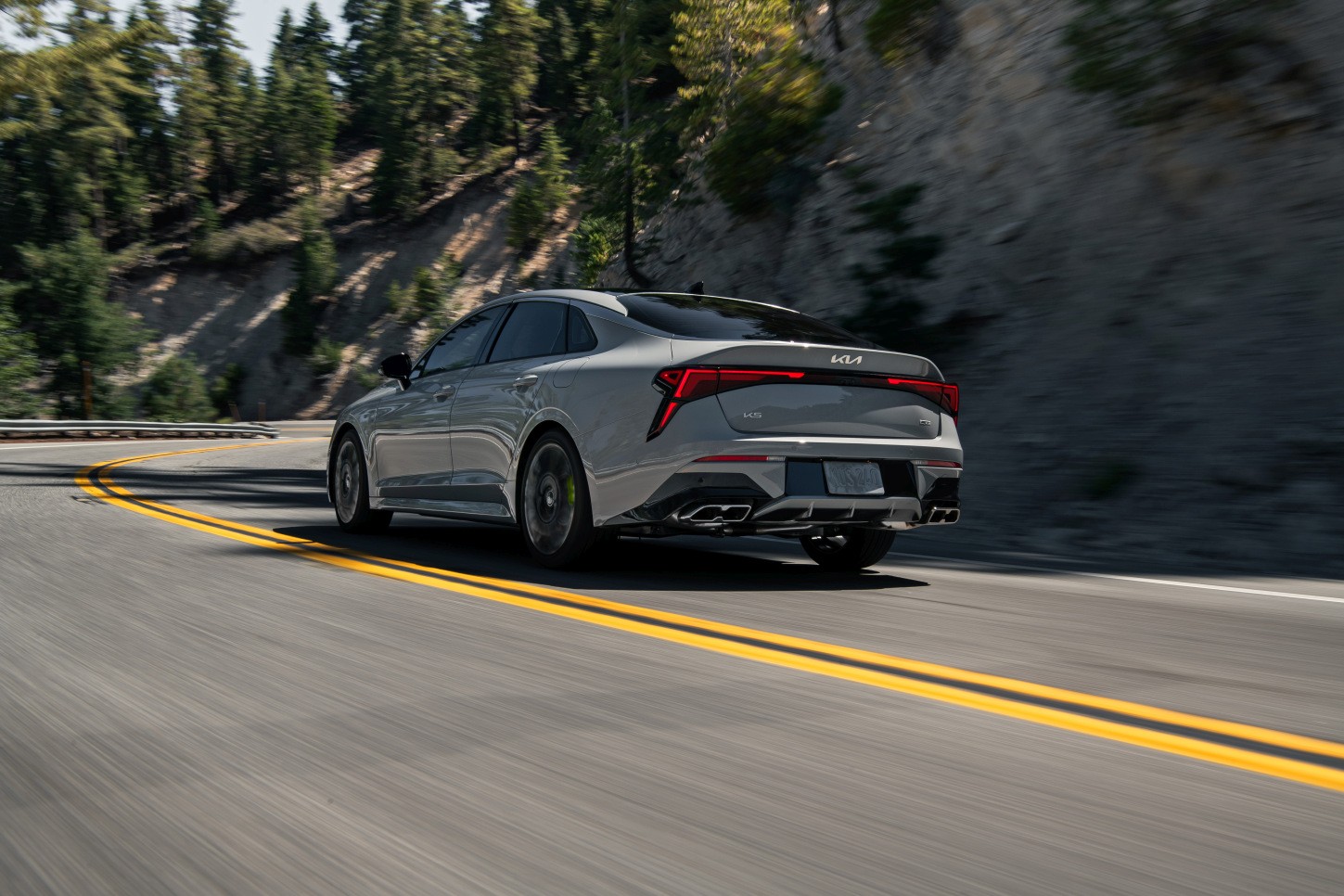
The 2025 Kia K5, known for its stylish design, advanced technology, and robust performance, deserves a maintenance schedule that ensures its continued excellence. This guide provides a comprehensive overview of the recommended maintenance intervals and procedures for your K5, enabling you to keep it running smoothly for years to come.
Understanding the 2025 Kia K5 Maintenance Schedule
The 2025 Kia K5 maintenance schedule is designed to prevent potential problems and maximize your vehicle’s lifespan. It’s a carefully crafted roadmap, outlining specific services at recommended intervals, based on factors like mileage and time. Adhering to this schedule helps ensure optimal performance, fuel efficiency, safety, and overall vehicle health.
Key Maintenance Intervals and Procedures:
1. Oil Change and Filter Replacement:
- Frequency: Every 5,000 miles or 6 months, whichever comes first.
- Procedure: This involves draining the old engine oil and replacing it with fresh oil, along with replacing the oil filter.
- Importance: Engine oil lubricates moving parts, reducing friction and wear. Regular oil changes prevent engine damage and ensure smooth operation.
2. Tire Rotation and Inspection:
- Frequency: Every 5,000 miles or 6 months, whichever comes first.
- Procedure: Rotating tires ensures even wear and tear, prolonging their lifespan. The inspection includes checking tire pressure, tread depth, and condition.
- Importance: Proper tire maintenance enhances handling, braking, and fuel efficiency.
3. Air Filter Replacement:
- Frequency: Every 15,000 miles or 12 months, whichever comes first.
- Procedure: Replacing the air filter ensures optimal airflow to the engine, improving performance and fuel efficiency.
- Importance: A clean air filter prevents dust and debris from entering the engine, minimizing wear and tear.
4. Brake Inspection and Service:
- Frequency: Every 15,000 miles or 12 months, whichever comes first.
- Procedure: This includes inspecting brake pads, rotors, calipers, and lines for wear and tear. Service may involve replacing worn components.
- Importance: Maintaining brakes ensures safe and responsive braking, crucial for driver and passenger safety.
5. Fluid Checks and Top-Ups:
- Frequency: Every 5,000 miles or 6 months, whichever comes first.
- Procedure: Checking and topping up fluids like coolant, brake fluid, power steering fluid, and windshield washer fluid.
- Importance: Maintaining proper fluid levels ensures optimal operation of various vehicle systems.
6. Spark Plug Replacement:
- Frequency: Every 30,000 miles or 24 months, whichever comes first.
- Procedure: Replacing spark plugs ensures efficient ignition and optimal engine performance.
- Importance: Worn spark plugs can lead to misfires, reduced fuel efficiency, and engine damage.
7. Timing Belt Inspection and Replacement:
- Frequency: Every 60,000 miles or 48 months, whichever comes first.
- Procedure: Inspecting the timing belt for wear and tear and replacing it if necessary.
- Importance: The timing belt synchronizes the engine valves and pistons. A broken timing belt can cause severe engine damage.
8. Transmission Fluid Service:
- Frequency: Every 60,000 miles or 48 months, whichever comes first.
- Procedure: Replacing the transmission fluid with fresh fluid.
- Importance: Transmission fluid lubricates and cools the transmission, ensuring smooth gear changes and optimal performance.
9. Battery Inspection and Replacement:
- Frequency: Every 36 months or as needed.
- Procedure: Inspecting the battery for corrosion and testing its charge. Replacement may be necessary if the battery is weak or faulty.
- Importance: A healthy battery ensures reliable starting and powers the vehicle’s electrical systems.
10. Multi-Point Inspection:
- Frequency: Annually or every 12 months.
- Procedure: This comprehensive inspection covers various vehicle components, including lights, wipers, suspension, steering, and exhaust system.
- Importance: A multi-point inspection identifies potential problems early, enabling timely repairs and preventing major issues.
Beyond the Scheduled Maintenance:
While the maintenance schedule provides a solid framework, there are other factors that can influence the need for additional services. These include:
- Driving Conditions: Frequent stop-and-go traffic or driving in extreme weather conditions can accelerate wear and tear.
- Driving Style: Aggressive driving habits can increase stress on vehicle components, requiring more frequent maintenance.
- Vehicle Age and Mileage: As your K5 ages and accumulates mileage, certain components may require more frequent attention.
FAQs about the 2025 Kia K5 Maintenance Schedule:
Q: Can I perform maintenance myself?
A: While some basic maintenance tasks can be done by the owner, more complex procedures, like timing belt replacement or transmission fluid service, require specialized tools and expertise. It is recommended to consult with a qualified mechanic for these tasks.
Q: What if I exceed the recommended maintenance intervals?
A: While exceeding the intervals may not immediately cause problems, it can increase the risk of component failure and lead to more expensive repairs in the long run. It’s best to adhere to the schedule as closely as possible.
Q: How can I find a reputable mechanic for my K5?
A: Consider using Kia-certified mechanics or reputable local repair shops. Look for shops with positive customer reviews and ASE-certified technicians.
Q: What records should I keep regarding maintenance?
A: Maintain a comprehensive record of all maintenance performed on your K5, including dates, mileage, and services performed. This information can be helpful for future repairs and when selling the vehicle.
Tips for Maintaining Your 2025 Kia K5:
- Read the Owner’s Manual: The manual provides detailed information about your vehicle’s maintenance schedule, recommended fluids, and other important details.
- Keep Up with Routine Maintenance: Regularly check fluid levels, tire pressure, and other critical components.
- Address Problems Promptly: Don’t ignore warning lights or unusual noises. Address any issues promptly to prevent them from escalating.
- Use Quality Parts and Fluids: Using genuine Kia parts and fluids ensures optimal performance and longevity.
- Drive Responsibly: Avoid aggressive driving habits and sudden acceleration, which can put unnecessary stress on your vehicle.
Conclusion:
The 2025 Kia K5 maintenance schedule is a roadmap to ensuring your vehicle’s optimal performance and longevity. By adhering to the recommended intervals and procedures, you can enjoy the benefits of a reliable, efficient, and safe vehicle for years to come. Investing in regular maintenance is a wise investment in your K5’s overall health and your driving experience.







Closure
Thus, we hope this article has provided valuable insights into Maintaining Your 2025 Kia K5: A Guide to Optimal Performance and Longevity. We thank you for taking the time to read this article. See you in our next article!